




Feeling Work Stress
Work stress is a natural part of our professional lives. The feeling of stress can lead to mental and physical difficulties, but there are ways to cope with it and prevent it.

One of the effective ways to cope with work stress is to identify its sources. You need to understand what tasks or situations make you feel stressed and clearly and precisely formulate the problem.
Work stress can negatively impact performance, functional abilities, and even the employee’s innocence
Dr. Roni Cohen – Occupational Psychologist
After identifying the sources of stress, you can try to solve the problem or find ways to reduce stress. You can use various tools such as psychological therapy, coping exercises, or breathing techniques.
In addition, it is important to maintain movement and physical activity as part of the response to work stress. Physical activity can help reduce stress and improve your mental state.
In summary, feeling work stress is a situation where it is important to cope with it efficiently and healthily. Identifying the sources of stress, problem-solving, and maintaining physical activity can help in coping with stress and preventing it in the future.
Factors Influencing Work Stress
Work stress is a common feeling that can affect performance and our level of satisfaction. There are several factors that influence work stress, and understanding them can help us cope with the situation and prevent its negative impact on our work lives.
One of the main factors influencing work stress is workload. When there is a feeling of inability to cope with the amount of work or the constant demands, stress and anxiety can develop. It is important to learn how to manage our time and resources in order to reduce the workload and effectively deal with the different challenges.
Another factor that influences work stress is the sense of control. When we feel that we have no control over the situation or the events happening in our work environment, insecurity and stress can develop. It is important to understand what things are truly within our control and to set clear goals that we can control.
Another factor influencing work stress is the sense of reward. When we feel that we are not receiving the appreciation we want or positive feedback on our performance, a sense of alienation and stress can develop. It is important to openly discuss our expectations and ask for integrated feedback on our performance in order to calm the feeling of stress.
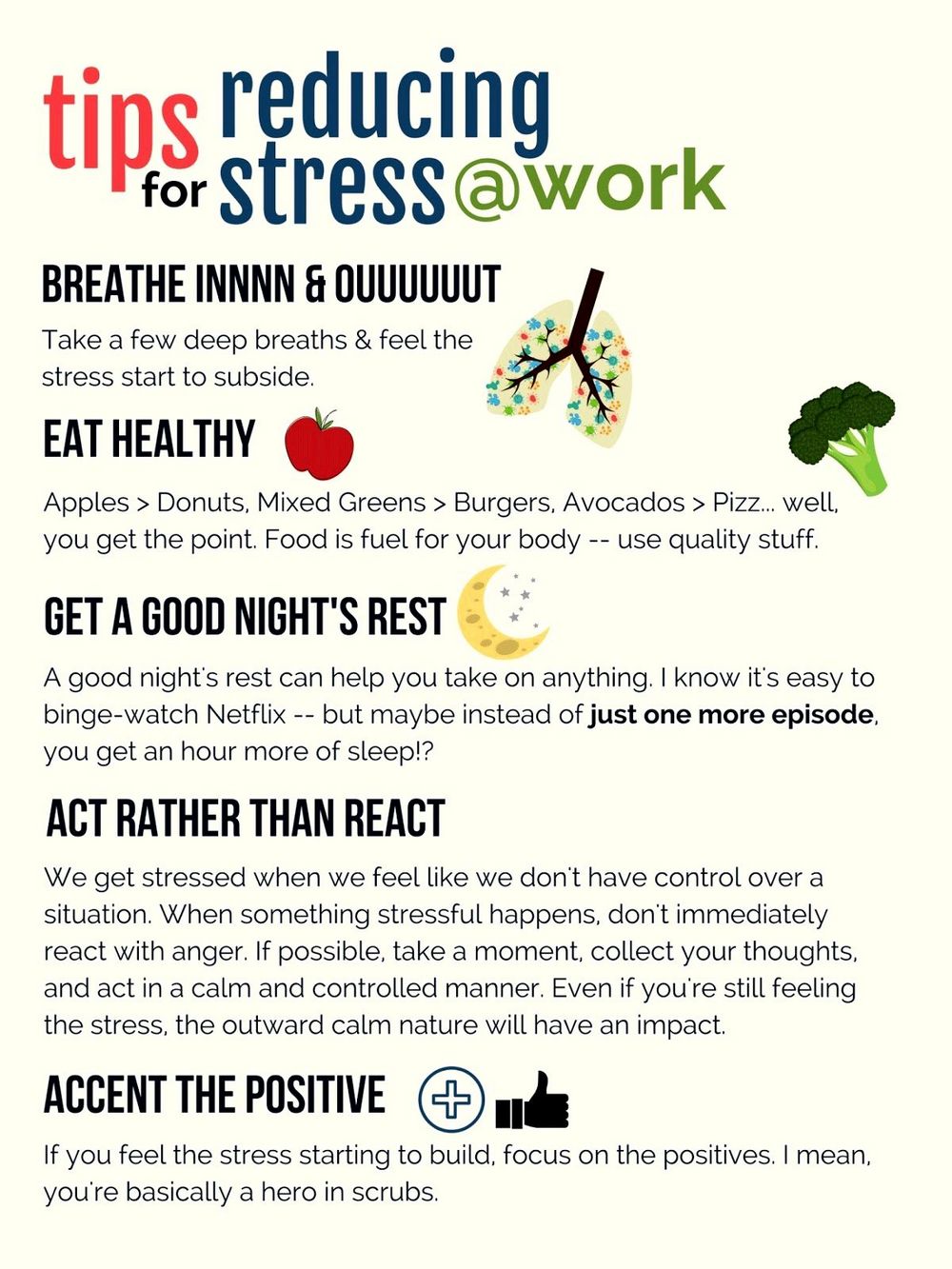
In conclusion, in order to cope with and prevent work stress, it is important to understand the factors influencing it and act accordingly. Good performance and high job satisfaction require the ability to manage stress and deal with challenges in a structured and efficient manner.
Ways to Cope with Work Stress
Work stress is a natural feeling that many of us encounter every day. Fulfilling and meaningful work can cause stress, so it is important to know how to cope with it and prevent it from affecting our quality of life. Here are some options that can help in coping with work stress:
1. Time Management: Efficient time planning and task scheduling may help you cope with work stress. Allocate time for important tasks and maintain an organized schedule.
2. Practice Relaxation Techniques: Relaxation techniques such as deep breathing exercises or yoga practice may help you release stress and calm the mind.
3. Social Support: When feeling work stress, it is important to turn to friends, family, or a professional for support and professional advice.
4. Leisure Time: Do you have free time during the day? Try to distribute your time among different areas of interest, not just work. This distribution may help you release stress and gain relaxation.
5. Physical Activity: Physical exercise can help you cope with work stress. All types of sports, from walking to swimming, can help reduce stress and improve your mental state.
The first steps to coping with work stress are recognizing the problem and preparing a solution plan
Dr. Yuval Cohen – Occupational Psychologist
Ultimately, it is important to remember that work stress has solutions and coping options. Engaging in activities like these may help you improve your quality of life and calm your mind in a professional environment.


How to Prevent Work Stress
Work stress is a sensitive and important feeling that affects our performance and quality of life. When we feel work stress, there are many things we can do to cope with the situation and prevent its development. Here are some tips to help you maintain mental health and cope effectively with work stress:
Taking short breaks during the day may help cope with work stress and improve our emotional stability
Prof. Naomi Cohen – Occupational Psychologist
- Take short breaks during the day to relax and recover from discomfort.
- Practice deep breathing exercises and focus on the present moment.
- Seek professional help to learn how to better manage stress.
- Set clear boundaries between work and personal life and maintain them.
- Plan time for rest and leisure activities that will improve your mood.
- Practice physical fitness exercises to reduce stress and improve happiness.
- Pay attention to healthy nutrition and drink enough water throughout the day.
At the end of the day, it is important to remember that work stress has solutions and we have the power to cope with it and prevent its spread. We must maintain a positive worldview and focus on solutions rather than problems. Our mental health is as important as our physical health, so it is important to address work stress to maintain our peace and serenity.
The Impact of Work Stress on Mental and Physical Health
Work stress is a particularly common phenomenon today, where employees face very high pressure from the work environment and as a result experience anxiety, tension, and depression. This stress can negatively affect our mental and physical health, so it is important to learn how to cope with it and prevent it.
One way to cope with work stress is to identify the factors that cause stress and clearly formulate the problem. When a person understands the reasons for stress, they can develop tools for more effective coping. It is also important to approach stress positively and see the excellent challenges in it.
It should be noted that work stress can lead to many health problems, such as extreme fatigue, sleep difficulties, exhaustion, and even heart problems. Therefore, it is important to take work stress seriously and not ignore it.
To prevent work stress, it is important to focus on efficient time management, open and clear communication with the work team, and a sense of belonging and support from managers and the team. Also, sports activities and psychological therapy can help reduce stress and improve our mental and physical health.
In conclusion, work stress is a common phenomenon that needs to be addressed in a positive and efficient manner. We must understand the reasons for stress, develop coping tools, and take ourselves seriously when it comes to our mental and physical health.