
1. Efficient Time Planning
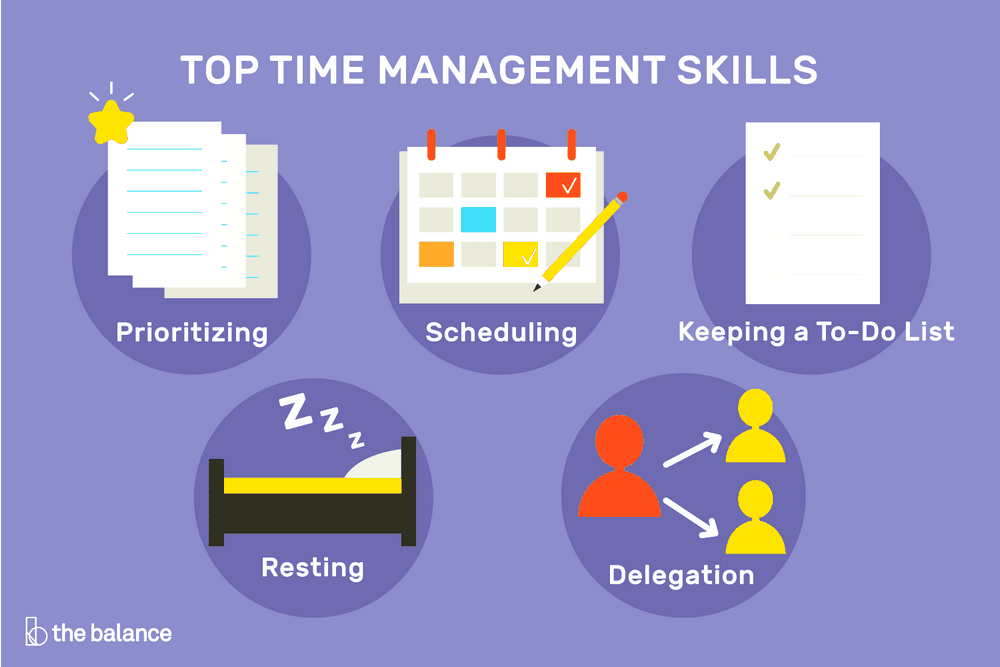
Efficient time planning can be key to coping effectively with work overwhelm. When we plan our days accurately and efficiently, we anticipate overwhelm and reduce stress and pressure. To plan time efficiently, it is important to allocate time for specific tasks, stop checking emails at set times, and stick to a daily plan.
A daily plan can include main tasks to be completed during the day, as well as time for short breaks between tasks. It is important to stay updated throughout the day on our progress and adjust the plan according to changing needs. As we advance in time planning, we enhance our ability to cope with overwhelm more efficiently.
Additionally, it is important to set priorities and focus on the most important tasks. This may lead to reduced stress and mental relaxation. By focusing on the most important tasks, we reduce uncertainty and increase the feeling of control over the situation.
Understanding our strengths and weaknesses can help us cope with overwhelm more efficiently.
Shira Levi – Psychological Consultant
In conclusion, time planning can serve as a powerful tool in coping with work overwhelm. We need to dedicate time to efficient time planning, allocate time for specific tasks, prioritize, and stay updated throughout the day to improve our ability to cope with overwhelm efficiently.
2. Stress Management Skills Improvement
When facing work overwhelm situations, positive thinking and stress management skills become essential for improving the ability to cope with the mental and emotional pressures arising from these situations. How can we improve our stress management skills?
Although each of us encounters stress and stressful situations in our professional lives, there are several options and techniques we can use to improve our management skills and cope more efficiently with various overwhelm situations.
One of the most useful techniques is focusing on deep and calming breathing. Proper breathing may help calm our heart and thoughts, so it is recommended to turn to it in times of stress and pressure.

Another useful technique is engaging in calm and relaxing activities, such as yoga exercises or meditation. These activities may help calm the soul and reduce the mental pressure we feel.
Equally important is setting priorities and creating an organized work plan. Advanced planning and organization may help us cope efficiently with overwhelm situations and maintain our efficiency at work.
Through the aforementioned techniques, we can improve our management skills and cope more efficiently with the overwhelm and pressures we encounter at work. Everyone can find suitable techniques and adapt them to their personal needs.
3. Self-Development Skills
Coping with overwhelm may be challenging and exciting when working in a challenging environment such as high-pressure or stressful work environments. To cope efficiently with overwhelm, it is important to develop self-reliance skills that will help you cope with these situations in a healthy and effective way.
Here are some techniques that can assist you in developing self-reliance skills and coping with overwhelm.

- Emotional Deepening – It is important to understand and identify the emotions that arise in you during overwhelm. Feel the emotions fully and try to understand their source.
- Planning and Organization – Planning and organizing your activities efficiently and in an orderly manner may help reduce stress and increase your efficiency.
- Solution Focus – It is important to focus on finding solutions rather than problems. Focus on ways to solve the problem instead of dwelling on the problem itself.
- Utilizing Social Support – Reach out to friends, family, or colleagues for support and understanding during overwhelm. Social support can be very calming and empowering for the future.
In conclusion, self-development skills may be central in coping with overwhelm at work. With the right techniques, you can cope efficiently and healthily with the challenges that may arise in your work environment.
Coping with overwhelm requires perseverance and effort to find solutions and new tools.
Amit Golan – Occupational Psychology Lecturer
4. Techniques for Improving Concentration and Motivation
There are several techniques that can help improve concentration and motivation at work. When we feel confident and focused, we bring our best abilities to the table. Here are some techniques you can use:

1. Daily Planning: Writing a daily task list with priorities may help you cope with many tasks and improve your concentration.
2. Short Breaks: Unsupervised work can not only lower your concentration but also cause you to lose motivation. Try taking short breaks during work to maintain a high level of concentration.
3. Mindfulness Practice: Mindfulness is a technique where we focus on the present moment without compromising on the feelings and thoughts that overwhelm us. Practicing mindfulness may help you improve your concentration and cope with overwhelm more efficiently.
4. Breathing Exercise: Deep and focused breathing may help you calm your spirits and bring yourself to a state of concentration and motivation.
Regularly practicing these exercises may improve your coping ability with overwhelm and bring you to a higher level of emotional and mental stability at work.
Recognizing and understanding our feelings can help in the process of coping with overwhelm.
Michal Cohen – Psychological Consultant
Training for Coping with Urgent Tasks
One of the most useful techniques for coping with urgent tasks is to create a prioritized task list. Instead of being scattered and feeling pressure from the large amount of work, plan ahead which tasks need to be done first. When you complete a task, mark it so you can see your progress and feel relief and peace.
Another technique that can help is to sometimes stop and take a moment for deep breathing. When you feel the pressure intensifying and your head spinning, breathe deeply and try to relax. This will help you cope with the pressure and strengthen your ability to continue working efficiently.
It is also recommended to allocate time for physical exercises during the day. Feel free to do light physical exercises like stretches and workouts to lift your spirits. Physical activity can help develop mental abilities and reduce the stress you feel.
Equally important is to manage your time and not to overwork. When you feel the pressure intensifying, take a short break and try to calm down. Remember that work is important, but your health and well-being are even more important.
With these techniques, you can cope efficiently and healthily with the pressure and urgent tasks you have. Remember, it is important to take time for yourself and not forget the important and meaningful things in life.