


1. Work Perception and Its Influence on Employee Well-being
Work perception is a psychological concept that refers to how the employee sees himself in his work and the work itself. Work perception may significantly influence the employee’s well-being.
The psychology of work influences the level of job satisfaction and dedication of employees
Prof. Tamar Golan – Specialist in Work Psychology
Many studies show a connection between work perception and the level of satisfaction and self-fulfillment of employees. Employees who feel recognition and appreciation in their work can feel more satisfied and self-fulfilled.

Additionally, work perception can influence the level of energy and motivation of employees. Employees who experience their work as meaningful and challenging can feel more motivated and energized for good performance and achieving business goals.
Therefore, the importance of work perception as a case for understanding and managing employees in any organization cannot be overstated. Employee management and leadership need to take into account their work perception and encourage processes that will affect their level of well-being and performance.
The Influence of Leadership and Team Community on Employee Work Satisfaction
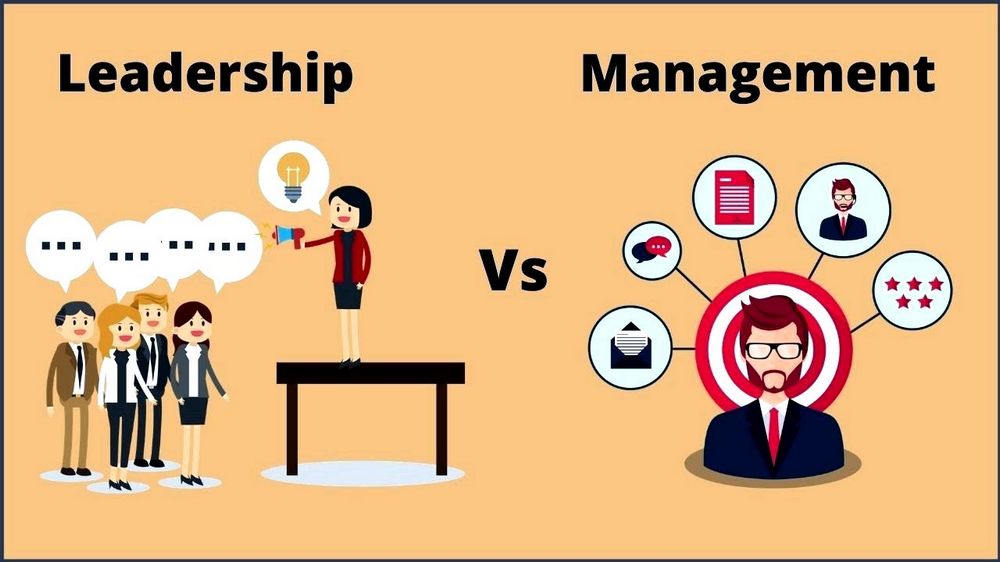
Leadership is a key factor in team success and employee job satisfaction. Good leadership can lead to an increase in the sense of belonging and job satisfaction of employees. A good leader empowers and enhances the feeling of employees in their ability to influence and contribute to the team.
Alongside leadership, the work community in an organization also influences employees’ feelings at work. A strong and supportive work community can increase the sense of the entire team that they are part of something larger and more important than just their role. When there is a sense of community and belonging, employees feel more enthusiastic and committed to their work.
Furthermore, the sense of belonging of employees to the organization as a whole is also of great importance. When an employee feels that they are part of a large family and that they are valued and appreciated, they feel more satisfied and successful in their role. The sense of belonging to the organization can also influence employees’ feelings about the values and goals of the company.
In summary, effective leadership, a strong work community, and a sense of belonging to the organization can significantly improve employees’ feelings at work and promote their performance and job satisfaction.
Methods of Role Management and Their Influence on the Balance between Work and Personal Life
Role management deeply influences the balance between employees’ work and personal lives. Different management methods can affect employees’ feelings at work, so it is important to understand their impact on this balance.
One of the main aspects in which the influence of management on the balance can be seen is in relation to employees’ sense of belonging to work. When they feel supported and encouraged by their managers, they can feel part of the team and do more to invest in their work. Managers who know their employees, understand their needs, and appreciate their work can create a positive and supportive work environment that promotes the balance between work and personal life.
Role management can also affect the level of employee engagement. When they receive roles and responsibilities that match their skills and abilities, they feel empowered and satisfied, and are willing to invest more in their work. Managers who know the abilities of their employees and use them effectively can encourage employees to develop and advance in their roles.
In conclusion, role management significantly contributes to the balance between employees’ work and personal lives. Managers need to understand the impact of their management methods and act accordingly to create a positive and central work environment for their employees.
The Influence of the Work Environment and Its Contribution to the Balance and Success at Work
The work environment significantly influences our balance and success at work. When we are in a comfortable, supportive, and inviting environment, we feel more satisfied and ready to face challenges and invest our best efforts. On the other hand, an unsupportive and stressful environment can cause us to feel low self-esteem and negatively affect our performance.
Building a positive and supportive work environment is especially important for personal and professional success. Excellent support brings us closer to the team, gives us a sense of belonging and partnership, and a feeling of security. All of this promotes our balance with the team and directly influences our performance and success at work.
Additionally, the influence of the work environment can be a key factor in positively or negatively affecting our contribution to the team and the organization as a whole. When we are in a stressful and unsupportive environment, we may be in a state of anxiety and stress, which may lead to a decrease in our contribution. In contrast, a pleasant and supportive environment encourages us to develop, grow, and deal with challenges effectively and stably.
In summary, the importance of the work environment and its function in our success at work is immense. It should be understood that the influence of the environment on our balance, success, and contribution is not only noticeable at the emotional level but also in our performance and average results. Thus, the proper use of psychological and managerial tools can help us create a positive and supportive work environment that promotes our personal and group success and contribution.
Understanding the emotions and needs of employees can lead to improvement in management and leadership processes
Dr. Yuval Cohen – Organizational Psychologist
Emotional Management Skills and Their Influence on Team Success and Well-being
The ability to manage our own and others’ emotions is a crucial component in the management process. In the business world, managers are required to be aware of how their emotions and those of their team affect performance and team well-being.
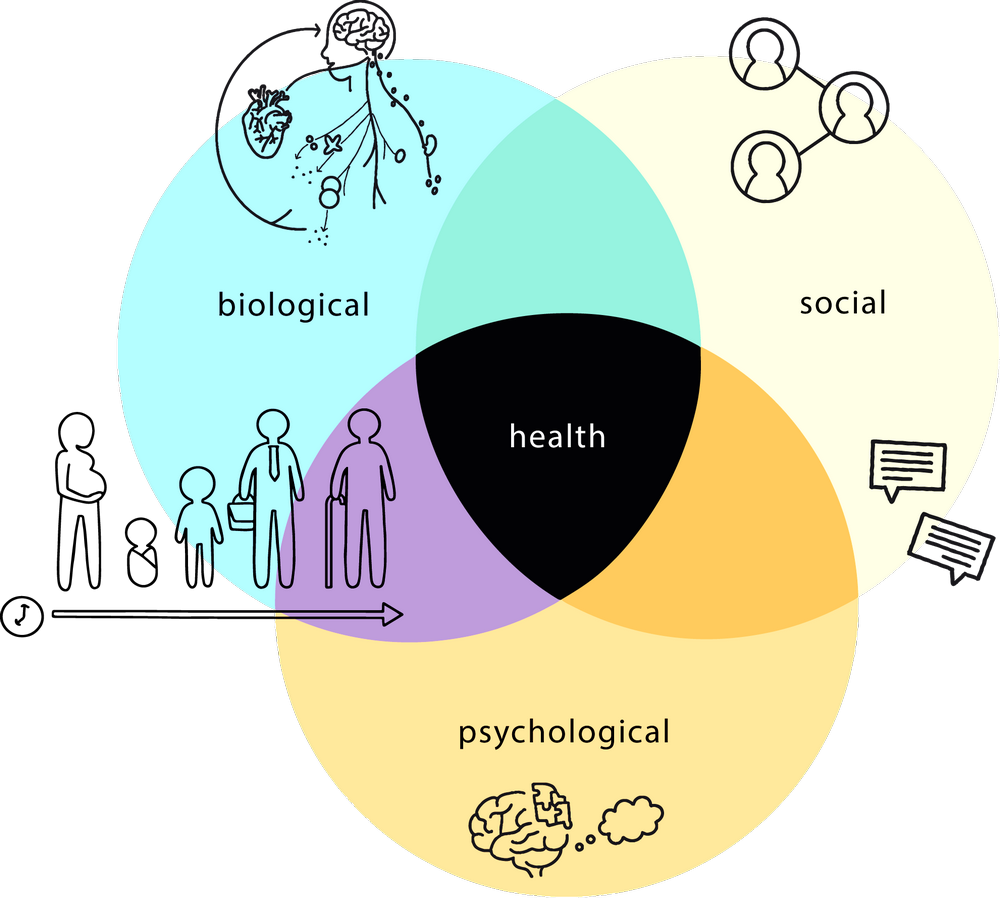
When managers succeed in managing their emotions in a healthy and effective way, they can create a positive atmosphere in the work environment. The tranquility, security, and calmness they convey to their team directly affect the level of motivation and emotional stability of each employee.
Awareness of employees’ psychological needs contributes to performance improvement and reduces resistance in the workplace
Dr. Ronit Cohen – Specialist in Occupational Psychology
Additionally, when managers understand and integrate properly with the emotions of their employees, they succeed in creating a stronger bond with their team. This leads to better connection among employees, an increase in the sense of support, and a reduction in conflict risks among employees.
No less important is the ability to identify emotions and deal with them constructively. Managers who can identify how their and others’ emotions affect performance can solve problems efficiently and bring more positive results.
In conclusion, the ability to manage our own and others’ emotions is a vital component in team management. Managers who develop these skills can see significant improvements in performance, emotional well-being, and the team’s sense of belonging.