




Background and Key Aspects of Emotional Intelligence at Work
Emotional intelligence at work is a concept that refers to an individual’s ability to identify emotions, manage them, and use them constructively and beneficially. The background of the concept is described as being based on Daniel Goleman’s third model theory, which proposed six steps for building emotional abilities: identifying emotions, understanding emotions, managing emotions, social actions, personal actions, and using emotions willingly.
At work, emotional intelligence is very important, as the skills embedded in it help employees effectively cope with stress, relationship difficulties, and work-related stress. Key aspects of emotional intelligence at work include the ability to control one’s own emotions, express emotions in a healthy manner, enhance solidarity and team belonging, and develop the ability to cope with uncomfortable situations and achieve solutions constructively.
Every employee with emotional intelligence can cope more efficiently with work stress and stress, as well as build relationships with colleagues and improve both personal and team performance. All this happens thanks to their ability to express emotions, focus on goals, and cope efficiently with uncomfortable situations in the workplace.
In conclusion, emotional intelligence at work is an important skill that needs to be developed and improved, as it positively influences employees’ performance and quality of work life.
The Role of Emotional Intelligence in Work Relationships
Emotional intelligence is the ability to identify, understand, and manage our own and others’ emotions. In the workplace, emotional intelligence plays a significant role in promoting healthy relationships and contributes to improving personal and team performance.
The ability to identify emotions, understand them, and manage them can lead to more effective communication and the creation of a positive work environment. When we understand our own and others’ emotions, we can resolve conflicts, ease tensions, and build stronger relationships with colleagues, superiors, and clients.
Building positive relationships with people in the work environment promotes a sense of belonging and comfort, making it harder to create conflicts and distort communication. Individuals with high emotional intelligence are considered better leaders, capable of showing empathy and being sensitive to others’ needs.
Emotional intelligence at work can lead to improved decision-making processes, increased job satisfaction, and enhanced personal and team performance. To improve our emotional intelligence, it is important to practice asking questions, listen carefully, and be sensitive to the emotions and needs of others.
In summary, emotional intelligence at work serves as a powerful tool for improving communication, building positive relationships, and enhancing personal and team performance. The ability to identify and manage emotions, as well as being sensitive and empathetic, promotes a productive work environment and fosters trust and support among employees.
The Impact of Emotional Intelligence on Performance and Transparency at Work
Emotional intelligence is the ability to identify, understand, and manage our own and others’ emotions. The ability to deal with emotions and manage them in a healthy and efficient manner is considered an important skill at work. Research shows that high emotional intelligence influences better performance at work and a higher level of transparency and trust in the organization.
Individuals with high emotional intelligence tend to be more emotionally stable and cope efficiently with pressures and challenging situations at work. They have a better understanding of their own and others’ emotions, thus being able to enhance team communication and collaboration. Additionally, emotional intelligence is linked to the ability to form strong interpersonal relationships and create a positive and supportive work environment.
Emotional intelligence aids in processing abundant information and solving complex problems
Ilana Green – Emotional Training Coach

Leaders and employees with high emotional intelligence are considered more stable, cope better with stress, and demonstrate better performance. They also exhibit a high level of reliability and transparency at work, which promotes team confidence and enhances interpersonal relationships in the organization.

In conclusion, emotional intelligence influences performance and transparency at work and serves as an important tool for success in the work environment. Therefore, it is recommended to develop and improve emotional intelligence capabilities as part of the education and professional development process of every employee in the organization.
Awareness of emotions can reduce risks of conflict and failure in the work environment
Aharon Cohen – Human Resources Manager
How to Develop and Improve Emotional Intelligence in the Workplace
Emotional intelligence is an important skill at work, involving the ability to identify, understand, and manage emotions efficiently. Developing emotional intelligence in the workplace requires perseverance and hard work, but the results may be significant and improve team performance and their professional longevity.
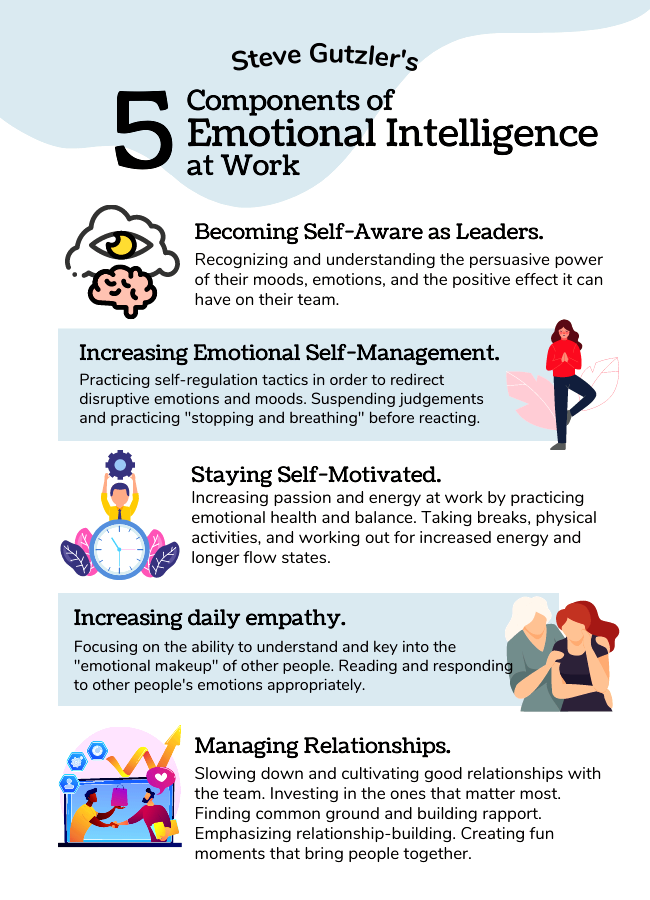
Here are some ways to develop and improve emotional intelligence in the workplace:
- Dive into your feelings – It is important to be aware of our emotions and understand how they influence our behavior at work.
- Improve emotional communication – Learn to understand others’ emotions and enhance the ability to communicate effectively and sensitively.
- Develop problems solving skills – Learn to manage emotions constructively and find creative solutions to problems that may arise at work.
- Focus on teamwork – The ability to work in a high-functioning team requires effective emotional management and the ability to address conflicts.
- Learn time and pressure management – Learn to manage time and pressure efficiently and maintain a high level of productivity under all conditions.
Emotional intelligence at work is an important and effective tool for professional and personal success. By developing and improving our emotional skills, we can reach new levels of performance and job satisfaction.
Aware emotions can improve our ability to cope with work stresses
Rachel Cohen – Emotional Group Manager
Examples of Cases Where Emotional Intelligence Can Improve the Work Environment and Results
Emotional intelligence plays a significant role in work and can significantly improve the work environment and results. When employees understand their emotions and engage in understanding the emotions of others, they can create a positive and professional work environment.
A first example is about a manager who understands the emotions of his team. When employees feel that the manager treats them with respect and sensitivity, they feel recognized and encouraged for success. As a result, they may be more willing to invest more effort and energy into their work, which will improve their performance and lead to greater success.
Another example is when a team understands the emotions of others in the team and behaves accordingly. When employees feel supported and recognized by their peers, they feel more satisfied and free to express themselves. This may lead to more efficient collaboration among team members, open communication, and creativity, which will improve the team’s results.
In conclusion, emotional intelligence can be a powerful tool to improve the work environment and results in the workplace. Managers and employees should specialize in these skills and invest in their development to create a positive and professional work environment that benefits everyone.