




1. Creating a Balanced and Meaningful Work Plan
The role of a team manager is to create a work environment that promotes the team’s spirit and motivation. To achieve this, it is important to create a balanced and meaningful work plan that includes the following components:
- Defining clear goals and tasks: It is the team manager’s responsibility to understand the nature of the team’s work and define clear goals and tasks to help employees focus and concentrate during work.
- Promoting collaboration: Creating a work environment that encourages collaboration and teamwork can improve team spirit and motivation.
- Personal and professional development: It is important to promote the personal and professional development of each team member by creating training and continuous development programs.
- Promoting decision-making processes: Encouraging decision-making processes within the team and encouraging employees to participate in these processes can strengthen their sense of belonging to the team and increase their motivation.
By creating a balanced and meaningful work plan for the team, team spirit and motivation can be improved, creating a productive and conducive work environment.

Strengthening Social Relationships and Team Support
Strengthening social relationships and team support are integral parts of developing team spirit and motivation. Strong social relationships lead to feelings of belonging, support, and security within the team.
One way to strengthen social relationships is by creating a positive and pleasant atmosphere at work. This includes supporting and appreciating team members, promoting a sense of belonging and teamwork, and creating a sense of community.
Additionally, team support is important for developing team spirit and motivation. When team members know they have support from the team and company leadership, they feel refreshed and ready to face challenges and find solutions to work problems.
Therefore, it is important to dedicate time and resources to developing strong social relationships and creating team support. This can include group activities, personal and team development workshops, and collaborative processes among team members.

Collaboration and understanding emotions are fundamental to developing team spirit.
Abigail Raz – Work Psychologist
At the end of the day, a team that works together with a sense of unity and support will be more satisfied, motivated, and stable in their work. Strengthening social relationships and team support are important parts of the process of turning the team into a unified and efficient unit.
Working in a team requires flexibility, patience, and the ability to adapt to the team’s needs.
Daniel Cohen – Career Consultant
3. Developing Management and Interpersonal Communication Skills
In the modern era, management and communication skills are integral to team success. The ability to manage and communicate interpersonally in an efficient and constructive manner is a central component in developing team spirit and motivation. These skills influence not only the team’s ability to achieve its goals but also the work environment and relationships among employees.

To develop management and interpersonal communication skills in a team, it is important to understand how to create a sense of security and trust among employees. This is a lengthy and complex process that requires perseverance and specialization. It also requires the ability to understand each employee’s needs and promote the integration of their personal goals with their personalities and perspectives.
Communication is another important component in developing team spirit and motivation. The ability to express emotions, understand others’ emotions, and communicate clearly and efficiently can contribute to improving the team’s collective ability. Emphasizing active listening and the ability to collaborate among team members in an equal and central manner is important.
In conclusion, the development of management and interpersonal communication skills in a team is a continuous process that requires dedication and investment. Only through specialization and adaptation to the team’s needs can good results be ensured and a productive and impressive work environment be built.
Creating a Positive and Supportive Work Environment
When it comes to developing team spirit and motivation, it is crucial to create a positive and supportive work environment. A positive work environment significantly impacts the feelings and performance of employees in an organization. When employees feel comfortable, valued, and supported, they may be more inclined to learn, collaborate, and improve work processes.
To create a positive work environment, it is important to emphasize activities that enhance the sense of belonging and connection among team members. This includes creating a sense of security and trust in the team, promoting collaboration and social connection, and acknowledging and appreciating efforts and achievements.
It is also important to create an atmosphere of support and understanding among team members. This includes creating platforms for open dialogue and understanding employees’ needs, supporting personal and professional issue resolution, and promoting diversity and inclusion within the team.
Listening and understanding employees’ needs, support and appreciation, and creating an environment of security and belonging – all these are important elements in creating a positive and supportive work environment that promotes team spirit and motivation.
5. Dealing with Pressures and Challenges at Work
Working in today’s world is challenging and full of pressures, so it is important to learn how to cope with the pressures and challenges that may arise during work. The motivation and team spirit of the team may positively influence the ability to cope with the pressures and challenges that may arise.
One way to cope with work pressures is by developing time management skills. When time is limited, it is important to delegate tasks, plan efficiently, and focus on priorities. It is also important to learn to cope with pushes and disruptions that may occur during work and find ways to deal with them effectively and stably.
Active participation and engaging in group activities promote team spirit.
Maya Sharon – Work Psychologist
Focusing on goals and managerial ideas can help employees cope with work challenges. Creating a clear and structured work framework with clear and precise goals can help employees feel more secure and focused.
In fact, the team’s motivation and team spirit may be the key factors in coping with pressures and challenges at work. A focused and concentrated team can cope more efficiently with the challenging situations that may arise during work.
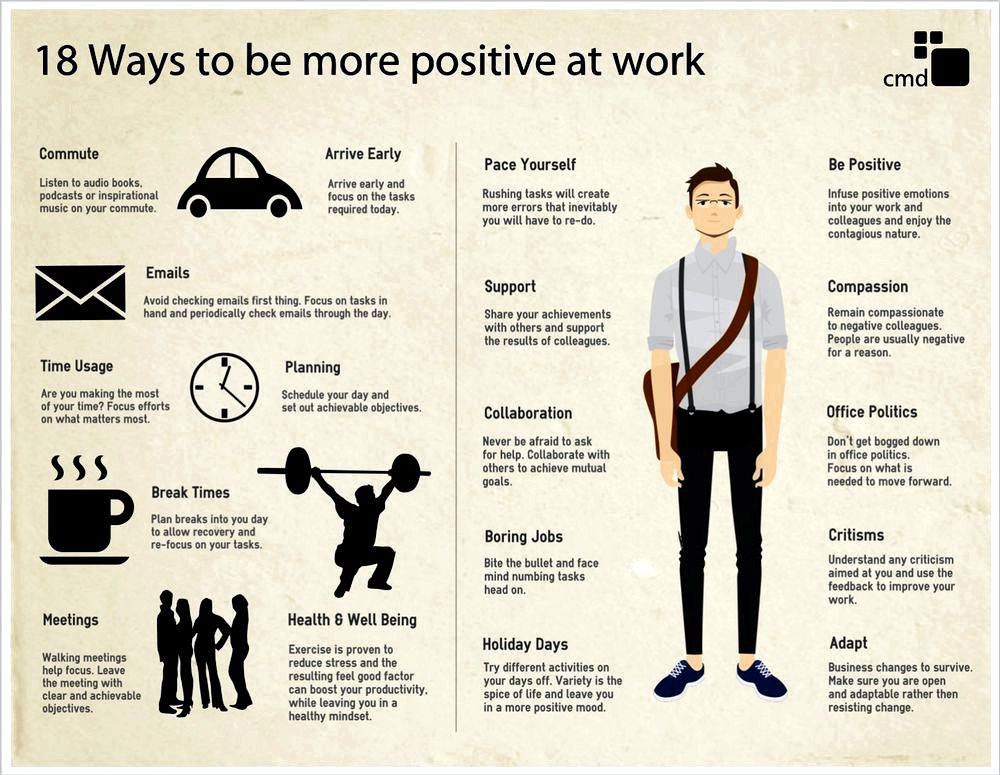
In summary, developing team spirit and motivation may be the key to efficiently coping with pressures and challenges at work. To ensure successful results and efficient work, it is important to invest in developing these skills and creating a supportive and encouraging work environment.