




1. Identifying Surprising Factors Contributing to Workplace Depression
Identifying surprising factors contributing to workplace depression can improve workplace relationships and prevent the development of undesirable mental states. One method that can help with this is recognizing potential causes of depression and addressing them proactively.
One surprising factor contributing to workplace depression is feelings of loneliness and isolation. Employees who feel they lack friends or support at work may feel more alone and develop depression. Promoting a sense of community at work and creating an internal support network can help prevent such feelings.
Another factor known as “feeling alienated” can also lead to workplace depression. Employees who feel alienated and unwanted in their work environment may develop feelings of irritability and depression. Implementing policies that promote inclusivity and respect for privacy and dignity can help prevent the development of this depression.
Another surprising factor for workplace depression is dissatisfaction with the job itself. Employees who are not satisfied with their role, salary, or working conditions may develop depression. Promoting job satisfaction and aligning job requirements with the needs and abilities of the employee can help prevent such feelings.
We need to understand that good relationships at work are not just a matter of personal benefit, but are also important for mental health.
Dr. Yael Levi – Clinical Psychologist
2. The Influence of Working Conditions on Mood and Depression
Working conditions can directly influence the mood and depression of employees. Working in a challenging environment without appropriate managerial or community support can lead to the development of depression and impact work performance. Factors such as stress, fear of job loss, lack of support, and inability to cope with professional stress can lead to feelings of depression.

To prevent workplace depression, it is important to create pleasant and supportive working conditions. Promoting a culture of support and collaboration between employees and between employees and managers can be crucial in preventing the development of depression. It is also important to emphasize promoting job satisfaction and happiness, and providing continuous and constructive feedback and appreciation to employees.
It is important to provide employees with tools to manage stress and reduce work pressure. Training programs for stress management and improving coping skills can be effective in preventing work-related depression. Additionally, promoting mental hygiene at work, including creating a sense of security and support within the team, is important.
In conclusion, working conditions can influence the mood and depression of employees. To prevent work-related depression, it is important to create a supportive environment, promote job satisfaction and happiness, and empower employees with tools to manage stress and reduce work pressure.
3. Promoting a Sense of Gratitude and Appreciation in the Workplace
One of the leading ways to improve workplace relationships and prevent depression is to promote a sense of gratitude and appreciation in the workplace. Gratitude positively impacts the optimism and emotional well-being of employees, promotes a sense of belonging and motivation for investment and stable work. How can a sense of gratitude and appreciation be fostered in the workplace?
One effective way to promote a sense of gratitude is to express appreciation and recognition to employees for their achievements and contributions. This can include positive feedback, compliments, public acknowledgments, and more. It is also important to create a work environment that encourages teamwork, collaboration, and open and transparent communication.
Support and social connections at work can reduce levels of depression and stress during workdays.
Itay Cohen – Psychological Consultant
Personal closeness and interest in employees as individuals, not just as workers, can lead to strong social connections and strengthen the feelings of belonging and appreciation. When employees feel seen and valued, they are more likely to be satisfied and engaged in their work.
Additionally, it is important to create a work environment that encourages transparency and fairness. This includes creating open communication processes and encouraging employees to express their opinions and feedback constructively for improvement.
In summary, promoting a sense of gratitude and appreciation in the workplace is important for improving relationships and preventing depression. Simple actions like showing appreciation, building strong social connections, and creating a supportive work environment contribute to creating a positive work environment and fostering well-being and effective work performance.
4. The Contribution of Physical Exercise and Movement in Preventing Depression
Physical exercise and movement contribute to improving workplace relationships and preventing depression. Physical activity affects both the body and mind, separating chemical substances that affect emotions and mood, and enhancing mental well-being. Movement and physical activity stimulate the brain and trigger anti-depressive hormones in the body, influencing mood and improving our emotions.
Physical exercise and movement can also reduce stress and alleviate our worries. Physical activity helps dissipate negative energy and turn it into positive energy, impacting the body and mind as substances that affect emotions. Additionally, physical exercise assists in reducing stress levels and easing work-related pressure and tension.
Furthermore, physical exercise and movement release hormones like serotonin and dopamine that improve mood and act as pathways to moments of pleasure and satisfaction. All of this offers a natural and effective solution for improving workplace relationships and preventing depression, rather than relying solely on medical treatments.
The Impact of Constraints and Pressures at Work on Mood and Depression
Work is an integral part of our lives, so it is important to understand its impact on our mood and depression. One of the key factors influencing depression at work is the constraints and pressures that arise in the workplace.
When we face constraints and pressures at work, we may experience confusion, nervousness, and discomfort. This can lead to outbursts of depression and negatively impact our performance and well-being at work.
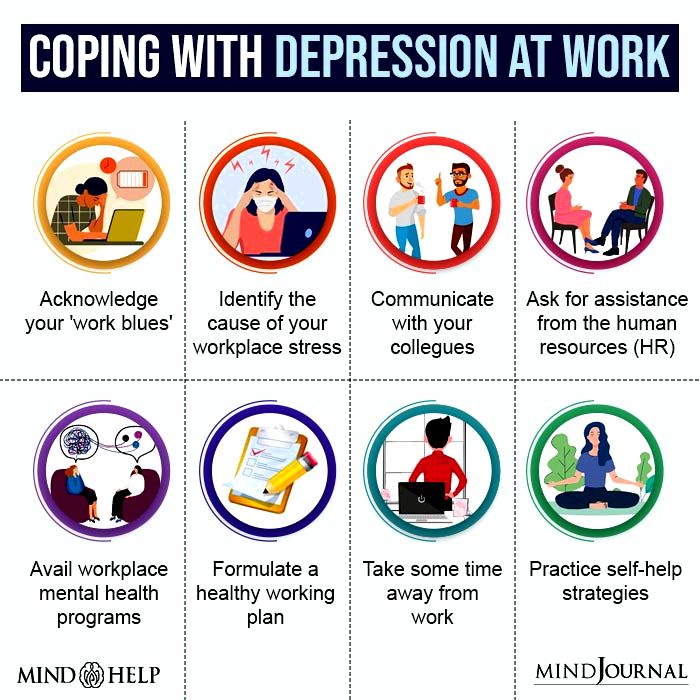
To cope with constraints and pressures at work and prevent depression, it is important to act actively and clearly. Identifying the factors causing discomfort and seeking effective solutions for them is essential.
It is recommended to create an effective work plan and prioritize good time management. Additionally, it is important to distance oneself from stress and take short breaks during the day to relax the mind and renew.

Furthermore, it is important to dedicate time to calm and soothing activities such as physical exercise or meditation. These activities may help reduce stress and improve our mood.
In conclusion, it is important to understand that constraints and pressures at work can affect our mood and depression. We must identify the factors that interfere and act actively to cope with them and improve our quality of life at work.
6. Coping with Work Stress and Pressure as a Tool for Preventing Depression
As known, office work can cause significant mental stress and pressure on employees. When we deal with stress and pressure in a healthy and efficient manner, we prevent the risk of developing depression and improve workplace relationships. Coping with stress and pressure is considered an important tool in the fight against depression in the workplace.
One of the leading ways to cope effectively is to identify the sources of stress and pressure and articulate challenges clearly and precisely. When we understand what causes us to think and feel this way, we can act efficiently and cope with the situation constructively and healthily.

Creating a positive and motivational atmosphere at work can lead to improved performance and general well-being.
Maya Golan – Human Resources Manager
Additionally, it is essential to learn how to manage our time and deal with workloads. An effective time management plan and reducing workloads may help reduce stress and pressure and improve our ability to cope with various challenges that may arise at work.
Lastly, it is important to maintain emotional and physical stability through regular physical activity, deep breathing, and periodic movement away from the computer and work. By emphasizing our physical and emotional health, we can reduce the risk of developing depression and improve our ability to cope with work challenges.