



Identifying Emotions and Understanding Them
The ability to identify and understand emotions is central to managing emotions at work. The skill of identifying emotions, including your own and those of others, allows you to gain a much greater awareness of the mood in your work environment. When you correctly identify emotions, you can deal with them effectively and act accordingly.
One important way to identify emotions is through body language. When feeling a positive or negative emotion, the body also influences the overall feeling. For example, a positive emotion may be expressed through a smile and light movements, while a negative emotion may manifest itself differently. Therefore, it is important to be aware of how the body influences emotions and use this information to better understand your own and others’ emotional state.
Additionally, it is important to be aware of the thoughts passing through your mind when you feel a certain emotion. Our thoughts can directly influence our emotions, so it is important to understand which thoughts affect your emotions and express them in a positive and constructive manner.
Dealing with emotions actively and constructively
Amit Cohen – Occupational Psychologist
In conclusion, identifying and understanding emotions are important tools in managing emotions at work. By deepening your understanding of emotions, body, and thoughts, you can act efficiently and healthily in your work environment and improve your ability to cope with different moods in a constructive and efficient manner.
Techniques for Dealing with Feelings of Nervousness and Stress at Work
At work, as well as in daily life, we encounter a wide range of emotions and feelings. Nervousness and stress are natural emotions that can affect our performance and energy levels throughout the day. Fortunately, there are techniques and strategies that can be used to cope with feelings of nervousness and stress at work.
One of the popular techniques is deep breathing. Deep and calm breathing can help calm the mind and reduce stress levels. You can try taking a deep and long breath through the nose and exhaling through the mouth to create a sense of calm and peace in the body and mind.

The technique of focusing on self-awareness is another technique that can help deal with feelings of nervousness and stress. To use this technique, focus on the moment and observe experiences of nervous emotions without being carried away by them.
To reduce stress and nervousness at work, it is important to maintain an efficient schedule and allow time for rest and breaks between tasks. Light physical activity such as a short walk or yoga exercises can also help calm the mind and reduce nervousness.
In summary, these techniques can be effective in coping with feelings of nervousness and stress at work. By implementing them correctly, you can improve your performance and experience more peace and calmness in your daily life.
Methods for Improving Team Communication to Prevent Emotional Conflicts
There are methods and techniques to improve team communication and prevent emotional conflicts at work that can help improve relationships and reduce stress and grievances. Using these techniques can lead to improved team stability, creating a more positive work environment and enhancing employees’ performance. To achieve these results, it is important to understand how to use various tools and methods that can assist in managing emotions at work.
One of the leading methods to improve team communication is using non-verbal tools for understanding emotions and non-verbal communication. Techniques such as facial expressions, body movements, and hand gestures can improve communication and facilitate understanding of team members’ emotions and moods. This way, emotional conflicts can be prevented and communication among team members can be enhanced.
Another effective method is using time and stress management techniques. Importance can be given to shared work plans, setting clear goals, and cooperation among team members to reduce stress and improve work performance. Additionally, it is important to address conflict resolutions in a constructive manner and allow team members to express their opinions and feelings in a positive and controlled manner.
Allow yourself to be in the present moment
Daniella Rosenstein – Psychological Consultant for Managers

With the help of these methods, it is possible to reduce conflicts among team members and create a more pleasant work environment. Effective communication and good understanding can improve team performance and prevent emotional conflicts that may hinder progress and peace of mind at work.
Techniques for Promoting Positive Emotions and Enthusiasm at Work
At work, as in life in general, it is important to promote positive emotions and enthusiasm in order to be productive and satisfied. When we feel confident and content at work, our results are better, and we feel more accepted and satisfied with ourselves.
Here are some techniques that can help promote positive emotions and enthusiasm at work:
- Focus on Positivity: Try to see the positive side of things and focus on it. This may help you see reality in a different light and deal with challenges more effectively.
- Planning and Goal Setting: Try to set clear goals and plan how you will achieve them. This may help you feel more satisfied and successful in your work.
- Courage Practice: Learn to deal with challenges and not give up easily. Practice being strong and resilient, even when things are not going the way you want.
- Teamwork Focus: Working in a team can strengthen positive emotions and shared enthusiasm. Schedule meetings, work together, and advance your goals together.
- Inner Exploration: Internal work on your feelings and thoughts may help you better understand what excites you and how you can promote it at work.
In the end, promoting positive emotions and enthusiasm at work are key to success and satisfaction in your profession. Working on yourself and your emotions can lead to a noticeable improvement in your performance and work quality.
How to Reduce Heartbeat Levels at Work
When we are working, we may encounter situations that evoke feelings of heart palpitations. Heart palpitations are a physical sensation of discomfort in the chest, manifested by palpitations, shortness of breath, and general discomfort. How can we reduce heartbeat levels at work? Here are some techniques that can help:
Learn to distinguish between feelings and thoughts
Uri Cohen – Occupational Psychologist
- Deep Breathing: When feeling heart palpitations, try to breathe deeply and slowly. Deep breathing can reduce stress and anxiety levels.
- Relaxation Exercises: You can learn relaxation techniques such as guided relaxation exercises or self-relaxation that can help calm the body and mind during heart palpitations.
- Physical Movement: Performing light physical exercises such as a light walk or gentle stretching can help bring a fresh breath and reduce heart palpitations.
- Focus on Work: Try to focus on the work you are engaged in and distance yourself from thoughts of anxiety and stress. Focusing on work can help reduce heart palpitations.
Everyone can cope with heart palpitations at work using these techniques. It is important to remember that heart palpitations may be an emotional rather than physical phenomenon, so they should be treated emotionally and appropriately.
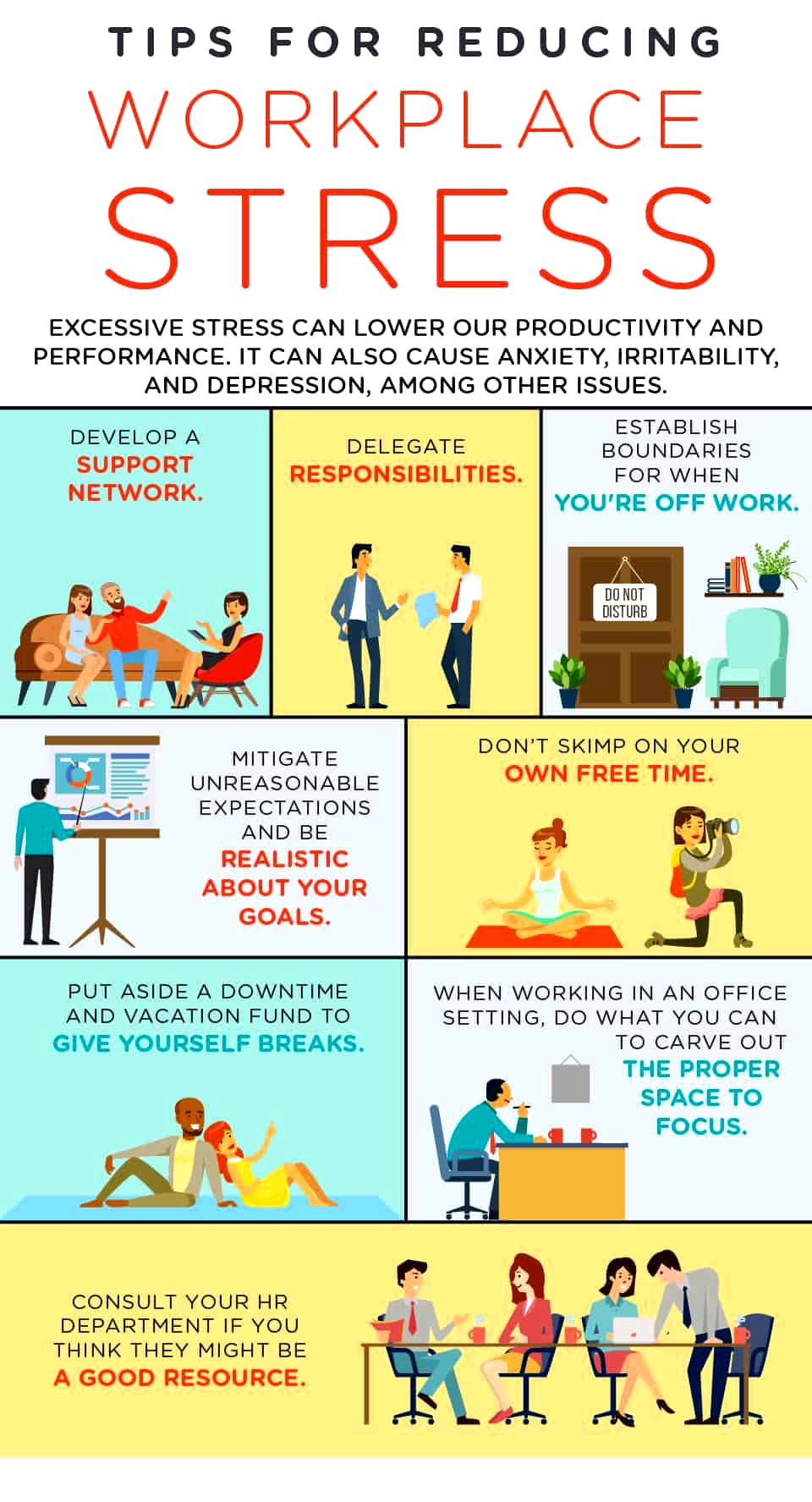
How to Reduce Stress Levels at Work and Create a Pleasant Work Environment
For managing emotions at work, it is important to understand that positive and negative emotions can directly impact our performance and work environment. When we find ourselves dealing with high levels of stress at work, there are several techniques that can help us reduce pressure and create a more pleasant work environment.
One of the leading techniques to reduce stress levels at work is deep breathing. Through deep and calm breathing, you can lower stress levels and calm the mind. You can also use techniques like yoga practice or meditation to reduce stress and increase calmness.
Another way to reduce stress at work is to try to improve our management skills. Good planning and organization can help us deal with challenging situations and reduce the stress we experience at work. It is also important to have good teamwork, open and understanding communication with employees and leaders that contribute to creating a pleasant and calming work environment.
In conclusion, there are several ways to reduce stress levels at work and create a pleasant and calming work environment. We need to be stable and calm, invest in activities that give us peace and satisfaction, and maintain open and healthy communication with our work team. Generally, the more we maintain calm and tranquility at work, the more efficient we can be and enjoy a positive and calming work environment.