




Identifying Causes of Work Stress
Work stress is an emotional feeling that may develop due to various situations in the workplace. Identifying the factors that contribute to stress can help in managing and coping with the feeling of stress. Here are a number of strategies that can help you identify the stress factors at work:
1. Timing and Organization: Try to identify if the feeling of stress arises from lack of timing or organization at work. Are there tasks that are not completed, or work processes that are not arranged efficiently?
2. Communication Processes: Check if the feeling of stress is related to communication processes at work. Is there a lack of understanding among employees, or between different teams?
Positive perception of stress can improve our ability to solve problems and make correct decisions
Dr. Rebecca Cohen-Saphir – Occupational Psychologist

3. Work Relationships: Examine whether work relationships with colleagues, managers, or clients may cause you to feel stressed. Is there a lack of calmness and security in your work relationships?
4. Working Conditions: Pay attention to the working conditions themselves. Are the tasks too difficult, your workload too large, or is the physical environment unpleasant?
By identifying and understanding the factors that contribute to work stress, you can develop stress management strategies and promote your mental and work health.
Time and Stress Management Strategies
Working in this era brings with it high stress and the need to manage time efficiently. Time and stress management are an inseparable part of a successful and fulfilling career. By focusing on proper strategies, you can improve work performance and reduce the tension that may develop at work.
Here are important strategies for time and stress management at work:
- Advance Planning: It is important to plan your day in advance and set priorities. This can be done through a task list or a schedule.
- Short Breaks: Taking short breaks throughout the day is important to refresh and focus on the next goals.
- Use of Technological Tools: Use reminder and time management applications to improve work efficiency and reduce stress.
- Setting Boundaries: It is important to set clear boundaries between work and personal life to allow stability and balance.
- Communication: Open communication with leaders and colleagues can help reduce stress and improve team efficiency.
By focusing on these strategies and implementing efficient time management skills, you can improve work performance, reduce stress, and create a balance between work and personal life.

How to Improve Team Communication to Reduce Stress
Successful communication among team members can be key to reducing work stress. Here are some strategies that can help you improve team communication and ease yourself during work stress:
- Listening and Collaboration: Listen attentively and respectfully to the ideas and thoughts of team members and promote collaboration among all parties.
- Sharing Information: It is important to convey information clearly and transparently so that all team members can be informed and feel part of the process.
- Creating a Positive Work Environment: Creating a positive and pleasant atmosphere in the team can reduce stress and promote more efficient collaboration.
- Work Appreciation: Professional and personal work appreciation can increase the team members’ sense of being valued and reduce the stress they experience.
Ultimately, remember that good communication among team members is key to success and reducing work stress. Work on developing your communication skills and you will see positive results not only in the efficiency and success of your team.
Understanding the sources of stress can help us develop personal strategies to manage it
Prof. Daniel Shushan – Occupational Psychologist
How to Resolve Conflicts and Overcome Yourself in Critical Times
Identifying the main problem is a crucial first step in resolving conflicts at work. It is important to understand the sources of conflicts and focus on the principles of calmness and transparency in the resolution process. Using psychological tools such as interpersonal communication and understanding of the psyche can help reduce the conflict and improve the ability to overcome yourself in critical times.
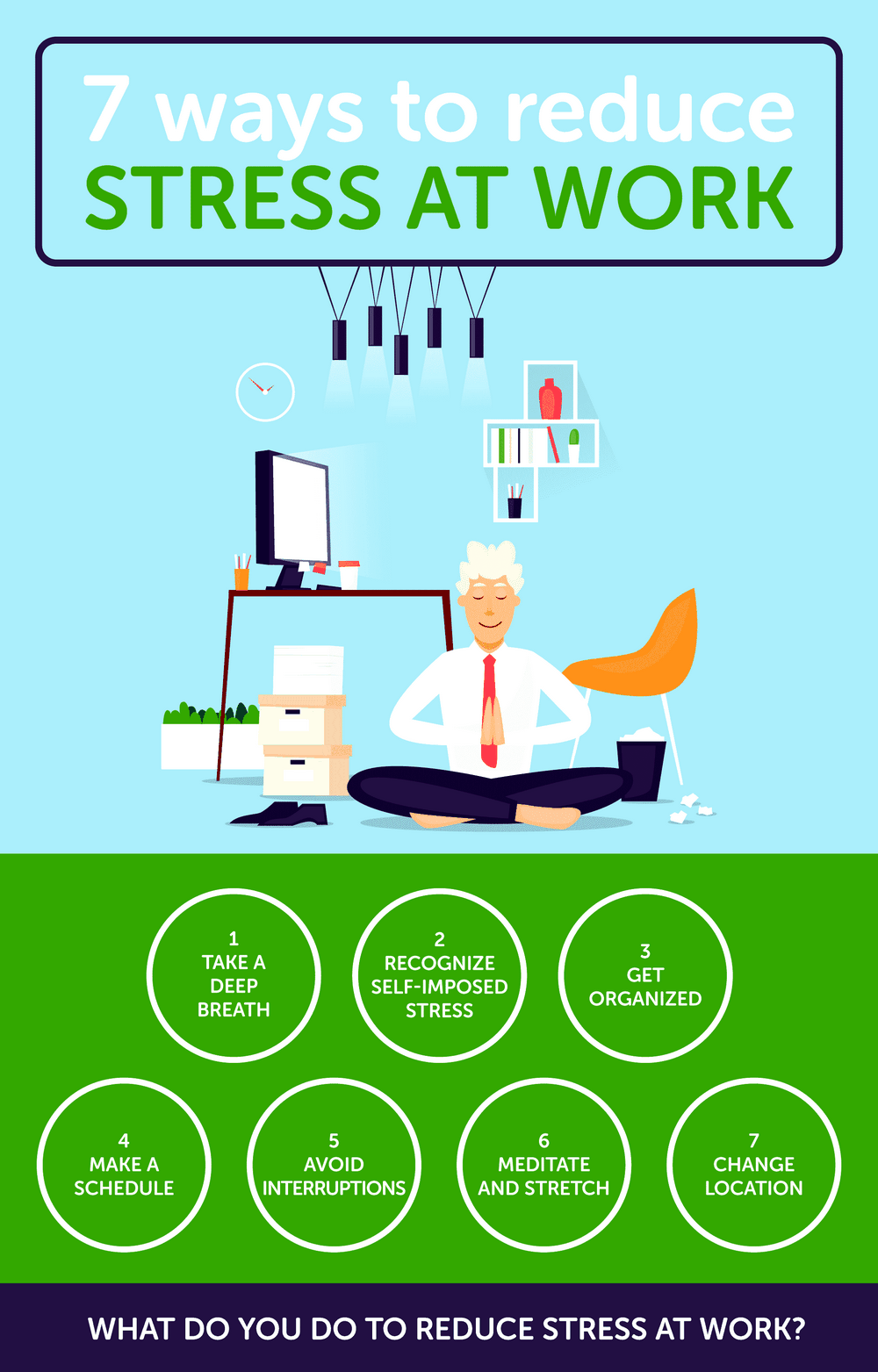
Equally important is learning how to manage work stress and maintain peace of mind during critical times. Strategies such as task focus, deep breathing and meditation, as well as physical exercise for stress reduction, can contribute to personal development and enable you to deal efficiently with critical work situations and successfully resolve conflicts at work in a mature and professional manner.
In addition, it is important to be flexible and willing to change and restrain during the resolution process. This can lead to creative solutions and improvement in work performance. Practicing stress management exercises and focusing on psychological tools can help you cope efficiently with critical situations and succeed in resolving conflicts at work in a mature and professional manner.
Developing Mindfulness Awareness to Deal with Stress Healthily
Work stress is a natural and common feeling that may affect our performance and energy levels. In order to cope with stress in a healthy way, it is important to develop mindfulness awareness of the sources of stress and how to manage it efficiently.
One of the ways to develop mindfulness awareness is to understand the factors that trigger work stress. Identifying the sources of stress can help us cope with it efficiently and develop strategies to manage it.
Using tools like breathing exercises and meditation can help us cope efficiently with work stress
Prof. Tamar Cutler – Occupational Psychologist
Additionally, it is important to understand our psychological triggers and how we react to stress. Awareness of the present moment and our automatic reactions can help us cope with work stress in a healthy way.
To assist in this process, you can use psychological tools such as meditation, breathing exercises, and physical training. Also, it is important to identify and properly manage the boundaries between work and personal life in order to maintain proper balance and reduce stress levels overall.

In conclusion, developing mindfulness awareness to cope with stress in a healthy way is an important step towards improving performance and quality of life in the work environment. We must be careful not to allow stress to control our lives and learn how to manage it efficiently and healthily.