





1. How to Improve Time Management Skills
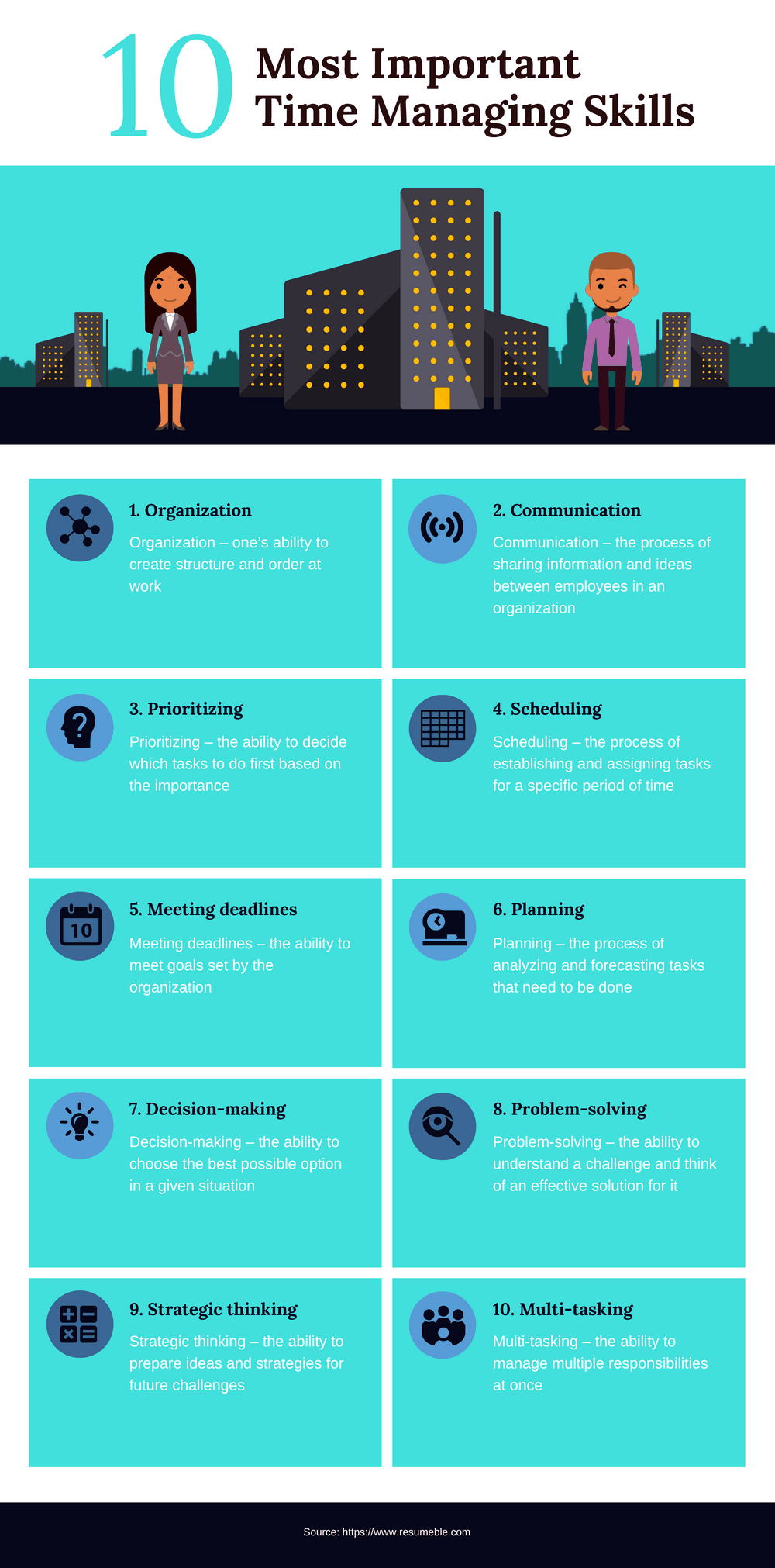
Time management is central to work and may directly impact performance and results. Here are some tips to improve your time management skills:
- Set clear and specific goals
- Activate your priority system
- Allot time for important tasks, not just routine ones
- Invest time in daily and weekly planning
- Use time management tools and techniques, such as digital calendars and reminders
- Avoid distractions and focus on the task at hand
- Do not compromise on quality and prioritize a professional approach to time management
- Avoid task switching and complete each task before moving on to another
At the end of this chapter, get to know yourself, your work style, and your personal needs. Plan and set goals, manage your time, and succeed in improving your work performance and results.
Tips for Efficient Task and Duty Organization
1. Planning and Consultation: Before starting work on a task, it’s important to plan the necessary steps and consult with team members or leaders. Coordinating roles and responsibilities may facilitate the process and ensure efficient results.
2. Updates and Monitoring: Regularly updating the progress of work and monitoring tasks is important. Checking for accuracy, quality, and progress may prevent errors and ensure successful completion.
3. Prioritization and Urgency: It is recommended to prioritize work and distinguish between tasks that require immediate attention and those that can be postponed. Proper allocation of time and resources may lead to efficient performance and high productivity.
The influence of the work environment on our personal productivity is immense and affects our level of satisfaction
Shira Cohen – Human Resources Manager
4. Communication and Collaboration: The key to efficient task organization is open communication and collaboration among team members. Discussion and shared understanding can lead to great success and improved results.
5. Flexibility and Adaptation: It’s important to be flexible and adjust work plans to changes and challenges that may arise during work. The ability to cope and instill principles of flexibility can ensure stability and success.
Methods for Dealing with Breaks and Disturbances at Work
When it comes to breaks and disturbances in the work environment, it’s important to understand how to cope with these difficult situations and find appropriate solutions. Here are some methods that can help in dealing with breaks and disturbances at work:
- Communication Empathy: This process focuses on the ability to communicate efficiently and clearly with colleagues, managers, and clients. Open and direct communication may assist in resolving conflicts and developing solutions to problems.
- Time Management Skills Development: An important skill that can help in managing activities and tasks efficiently and organized, thus preventing breaks and disturbances at work.
- Engagement in Practice and Connection with Cognition: Cognitive practice can help improve concentration and focus on work, preventing emotional stability disruptions.
By combining these methods and adapting to the type of break or disturbance at work, it is possible to find effective ways to cope with the various challenges that may arise in the work environment.
4. How to Make Quick and Efficient Decisions
Making quick and efficient decisions is an important skill in work, as it may influence the results of our actions and our success in the work environment. Sometimes, we face decisions that need to be made quickly and accurately, so it’s important to know how to manage the process in the best way.
Here are some tips that will help you make quick and efficient decisions:
In a work environment full of stress, it is important to set boundaries and deal with challenges in a healthy way
Netanel Yehia Aharon – Work Psychologist and Consultant
- Understanding the central goals – In order to make a correct and efficient decision, it is important to clearly understand the central goals of the task or problem you need to address.
- Collecting information – Gather relevant and important information that will help you make an informed and correct decision.
- Analysis of information – Analyzing the information you have collected will help you understand the reality more accurately and make a well-founded decision.
- Evaluating options – Examining and evaluating the various options available to you will help you choose the best option for your goals.
- Decision Making – After going through all stages of the process, it is time to make a decisive decision and act accordingly.
Following these tips and the process you have gone through, you can be sure that your decision is correct and well-founded, and that the work you do will be efficient and successful.
5. How to Deal with Pressure and Stress at Work
Pressure and stress at work are an inseparable part of our professional lives. They can be a source of motivation and enrichment, but often they can also cause suffering and difficulties. How can we deal with pressure and stress in the best way to improve our performance and the quality of our lives in the work environment?
First and foremost, it is important to understand that every person is required to deal with pressure and stress at work from time to time. It is not unique or special, but an integral part of our professional lives. The importance lies in how we choose to deal with the existing pressure and stress in our lives and work.
One of the most effective ways to deal with pressure and stress is to use breathing and relaxation techniques. When we calm our body and spirit, we help ourselves to cope more efficiently with the existing pressure. You can also turn to sports activities and physical exercises to release tension and calm the mind.

The influence of professional management on our career at work is immense and can determine the direction of our professional development
Roni Cohen – Career Consultant
In addition, it is important to maintain a healthy diet and get enough sleep as part of coping with pressure and stress at work. A healthy diet and adequate sleep can improve our resilience and provide us with the physical and mental strength to cope with the daily challenges at work.
No less important is also to take short breaks during the day to relax and heal from the existing pressure. Men and women work hard and invest a lot of effort in their work, so it is important not to forget to rely on short breaks that will help us cope with pressure more efficiently.
Finally, it is important to remember that every person is subject to pressure and stress at work, and it is not something that can be avoided. However, it is possible to learn how to deal with pressure and stress more efficiently and improve our performance and the quality of our lives in the work environment and beyond.

6. How to Improve Concentration and Priority Assessment Skills
When it comes to work, concentration and priority assessment skills are crucial components for success. This article will help you understand how to improve these skills and achieve more efficient work results.
One of the most useful methods to improve concentration is short breaks during work. Try taking a short break every hour or two to relax and prevent early fatigue. Also, it’s important to avoid external distractions and create a quiet and comfortable work environment.
Additionally, practice focusing by preventing thought disruptions and focusing on one task at a time. Try to set clear goals and work on them in a focused manner, which will help you achieve better results in a shorter period.
Another way to improve concentration is by setting priorities. Try to determine the most important tasks and focus on them first. This can reduce the feeling of boredom and lead to more impressive results.
After reading this article, you will understand how to improve your concentration and priority assessment skills at work and achieve a significant improvement in your work performance.