




1. Self-Reflection and Its Influence on the Feeling of Autonomy at Work
Self-reflection plays an important role in establishing a sense of autonomy at work. When a person feels capable of making decisions independently and managing themselves autonomously, there is a sense of well-being and control over the surrounding environment.
How can positive self-reflection be developed to influence the feeling of autonomy at work? Positive self-reflection can be developed through changes in thinking patterns and self-perception processes. When a person understands that they are capable of making decisions independently and have the skills to manage themselves optimally, it can lead to increased confidence and happiness at work.
Positive self-reflection may also impact a person’s work abilities. When they have a sense of realism and confidence in their abilities, they may make conscious decisions and effectively deal with challenges.
Therefore, positive self-reflection and understanding our personal capabilities can help establish a sense of autonomy at work and improve our leadership and performance capabilities at work.
Creating a Sense of Belonging and Responsibility at Work
The feeling of belonging and responsibility at work is crucial for building a sense of autonomy. When an employee feels a sense of belonging to the team and the organization, they feel valued and are willing to invest more in the work process. When an employee feels responsible for the results of their work, they feel influential and can positively impact the final outcomes.
Creating a sense of belonging and responsibility at work is achieved through creating a supportive and encouraging work environment, where every employee feels accepted and respected. When an employee feels that their opinions and efforts are important and appreciated, they connect to the organization’s goals and values and advance in their work effectively.
Another way to create a sense of belonging and responsibility is by enriching the employee’s role and granting them an appropriate level of responsibility. When an employee knows what is expected of them and is provided with the necessary tools to fulfill those expectations, they are more willing to take on responsibility and invest in their work significantly.
Building a sense of belonging and responsibility at work is a process decided upon by employees and managers together. When such a process is planned and implemented, the result is a stable and collaborative team, where each employee feels important and needed.
Building a sense of autonomy at work requires determination and perseverance to achieve personal goals
Aviva Cohen – HR Manager
3. Support and Appreciation as Tools for Building Autonomy at Work
Building a sense of autonomy at work is an important process that requires support and appreciation from the work environment. In order to improve the autonomy level of employees, it is important to create an environment where they feel supported and valued.
Autonomy at work leads to inner calm, focus, and the ability to cope with challenges
Noa Levi – Organizational Psychologist
Support and appreciation have a positive impact on the autonomy feeling of employees. When they receive support from their work team and managers, they feel happier and are able to deal with challenges more efficiently.
Support and appreciation can lead to improvement in employee performance and emotional stability. When they feel valued and supported, they can cope with pressure, overcome challenges efficiently, and succeed.
Providing support and appreciation to employees regularly and consistently can create a positive and growth-promoting work environment. In order to build a sense of autonomy at work, it is important to understand the importance of support and appreciation and actively implement them.
The Influence of Management on Autonomy and Independence
Management in an organization directly influences the sense of autonomy and independence of employees. The feeling of autonomy refers to the level of freedom an employee feels in their work, meaning the level of control they have over their work processes and the decisions they can make. On the other hand, the feeling of independence refers to the sense of the employee in receiving support and recognition from management and having the opportunity to express themselves creatively and independently in their work.
Effective and supportive management can promote the autonomy and independence of employees. When management succeeds in creating a work environment where employees feel they receive the support and recognition they want and need, they feel invited to express themselves autonomously and take responsibility for their decisions. This leads to performance improvement, maximum peace of mind, satisfaction at work, and reducing feelings of fatigue and stress.

In addition, effective management can also promote employees’ ability to develop creativity and innovative thinking in their work. When they feel they have the freedom to express themselves and break free from norms, they find new ways to approach problems and solve them in new and original ways.
In summary, effective and supportive management can improve the sense of autonomy and independence of employees, make them feel more satisfied and successful in their work, and enhance their ability to think innovatively and develop creative solutions to problems that arise among them.
5. Developing Independence Skills and Coping with Challenges at Work
The ability to feel independent and empowered at work is an important component in preventing feelings of dependence and insecurity. Developing independence skills and coping with challenges at work are processes that can lead to performance improvement and overall well-being at work.
In order to develop independence skills at work, it is important to focus on improving personal control, the ability to make decisions, and act independently. Additionally, it is important to reflect on our capabilities and value ourselves to strengthen the feelings of autonomy and independence at work.
Furthermore, we must learn to cope with work challenges constructively and efficiently. This includes the ability to manage stress, solve problems, and respond to changes positively. We need to address challenges professionally and not detach them from reality.
Therefore, focusing on developing independence skills and coping with work challenges can improve performance and bring positive diversity to our work experience. Good performance and a sense of autonomy may improve our personal and professional prosperity and ensure a sense of self-fulfillment and well-being in our daily work.
Autonomy at work allows a person to act according to their will and personal interests
Ronit Cohen – Career Counselor
6. Creating a Supportive and Promoting Work Environment for Autonomy
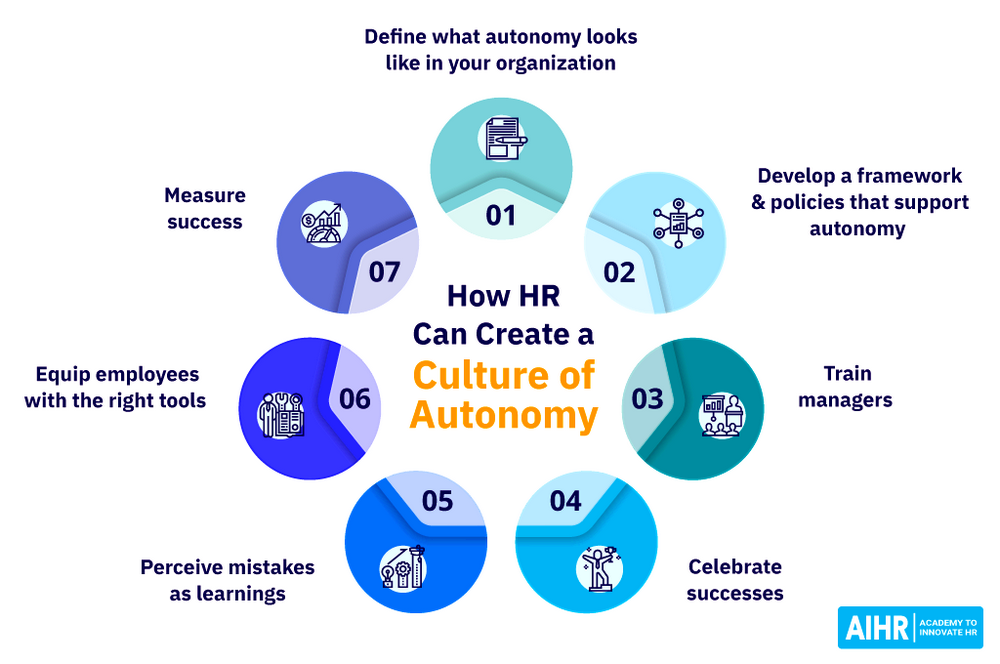
Building a sense of autonomy at work is very important to improve employee performance and increase their motivation. In order to create a supportive and promoting work environment for autonomy, a commitment to a work-life balance, encouraging openness and collaboration between employees and managers, and developing open and transparent decision-making processes are necessary.

Employees with a sense of autonomy feel that they lead the process and take responsibility for the results of their work. When they feel support and appreciation from the team and managers, they feel free to act creatively and take positive risks.

To create a supportive work environment, it is important to promote open and effective communication processes between teams and between employees and managers. Creating opportunities for openness and discussion on issues and encouraging creative thinking and innovation among all parties are essential.
In conclusion, creating a supportive and promoting work environment for autonomy positively influences employee performance and their level of satisfaction. Managers need to understand that autonomous work ability and the employees’ feeling of being heard and valued are especially important for the organization’s success and for improving the quality and results of their work.